Around Leesburg: Do Gutter Guards Mean You Never Need Maintenance?
Around Leesburg, gutters live a hard life. Summer thunderstorms can dump water fast, tropical systems can test every weak point in a drainage path, and our long stretches of humidity keep organic debris damp enough to cling, decay, and cause trouble. That is why the promise behind gutter guards sounds so appealing. Install them once, stop thinking about gutters forever, and move on with life.
I understand why people want that to be true. I also have not seen it play out that way in real homes.
Gutter guards can absolutely help. In the right setting, they reduce the amount of large debris that lands in the trough. They can cut down the frequency of cleanouts. They may also make a gutter system easier to live with during leaf drop and storm season. But “never need maintenance” is the part that goes sideways. In Central and North Florida, routine maintenance is still part of the deal because the gutter system is only as good as its ability to move water away from the house and into an area that can absorb it.
That last part matters just as much as whether the gutter itself looks clean from the ground. If water pools near the foundation, overflows onto walkways, or dumps beside a screened enclosure, the problem has not been solved. It has only changed shape.
The myth starts with a reasonable idea
Most gutter myths Florida homeowners hear begin with a small truth. Guards do block some debris. That is real. If your roof is dropping leaves, small twigs, or other litter into open gutters, a cover can reduce how much ends up inside. For some houses, that alone is worth considering.
Where the myth grows is the jump from “less debris enters the gutter” to “the whole system now takes care of itself.” Those are not the same thing.
Even with guards click here in place, a gutter system still has seams or joints in some designs, hangers, downspouts, outlets, corners, and drainage paths on the ground below. Water still needs to enter, move, and exit. Debris can still collect on top of the guard, at the nose of the gutter, or inside the downspout opening. A hard rain does not care whether the clog is in the trough or at the outlet. If the water cannot flow where it needs to go, it will find another route.
In Florida, that “other route” is often a headache. Overflow can wash out mulch, beat up planting beds, stain walls, splash dirt onto siding, and create muddy spots right where people step out the door. If it lands too close to the home, it can contribute to moisture problems and pest pressure. That is one reason Florida landscape guidance emphasizes sending roof runoff away from the house and into turf, beds, rain gardens, or other pervious areas that can absorb it.
A guard does not replace that larger drainage plan.
What maintenance still looks like with gutter guards
The maintenance changes, but it does not disappear.
Without guards, many homes need periodic interior cleanouts because debris settles in the trough. With guards, the job often shifts toward inspection. You are checking whether water is flowing freely, whether debris is matting on top, whether downspouts are carrying runoff away from the house, and whether the discharge point is doing what it should.
That distinction is important, especially for homeowners who install guards and then stop looking up entirely. A gutter can appear “protected” while still underperforming during the exact kind of weather event that matters most.
In practice, the need for upkeep is tied to the property itself. A house in a relatively open setting may have a much easier time than one near heavier tree litter. Roof shape matters. So does where the downspout discharges. In the Leesburg area, and really across this broad belt from Mount Dora toward Gainesville-adjacent communities, the weather alone is reason enough to check systems regularly. One rough storm can move enough debris to create a problem that was not there the week before.
If you have been comparing terms like gutter guards Mount Dora FL, seamless gutters Williston FL, gutter cleaning Dunnellon FL, or gutter repair Hawthorne FL, the smartest way to frame the question is not “Will this end maintenance?” It is “What maintenance will remain, and how much easier will it become?”
That is a much more honest conversation.
Guards help the trough, not the entire water story
A lot of homeowners focus on keeping leaves out of the gutter body. Fair enough, because that is the visible part. But the larger function of a gutter system is to control runoff from the roof and direct it somewhere useful and safe.
Florida-friendly guidance consistently points back to that goal. Roof runoff should be directed away from the home and kept on site when possible, ideally into lawn, planted areas, rain barrels, cisterns, rain gardens, or other pervious spaces that can absorb water. That helps reduce runoff and erosion. It also reduces the chance of water collecting where you do not want it.
When a gutter guard is sold as a “maintenance-free” solution, that often encourages homeowners to think only about the top edge of the gutter. Meanwhile, the discharge area below may still be too close to the foundation, aimed at a walkway, blasting a bed bare, or spilling near an enclosure where standing water creates a mess.
That is why I always come back to performance during rain, not appearance during dry weather.
A simple test tells you more than a brochure ever will. Watch the system during a strong rain. Does the water enter the gutter cleanly? Does it move through the downspouts without backing up? Does it exit into an area that can absorb it, or does it carve a trench, flood a low spot, or sheet across hard surfaces? Those observations reveal the real condition of the system, guards or no guards.
Pool decks, screens, and awkward drainage paths
One place this issue shows up quickly is around outdoor living areas. Gutter drainage for pool cages is a practical concern because nobody wants roof runoff pouring beside a screen enclosure, washing soil away, or leaving puddles where people walk barefoot. Around pools and lanais, even a small drainage mistake gets noticed fast because those spaces are used so often.
UF/IFAS guidance on managing runoff and erosion fits here well. Water should be handled in a way that avoids messy overflow and soil loss around outdoor areas. If a roof edge drains toward the pool deck or the screen line, a gutter system may help capture the water, but it still needs a smart place to send it. A guarded gutter that dumps into the wrong spot is still a problem system.
This is one of those edge cases where homeowners sometimes assume a product solved everything because the installation looked clean at the roofline. Then the first heavy rain reveals that the downspout discharge is the real weak point. You can have a fairly tidy gutter and still have lousy site drainage.
Why Florida weather keeps the maintenance conversation alive
If you lived in a place with long dry seasons and gentle rains, the “set it and forget it” idea might come closer to reality. Around Leesburg, it does not.
The local weather pattern matters because gutters are stress systems. They sit dormant for stretches, then suddenly have to perform under load. The more intense the rain, the less room there is for partial clogs, poor slope, blocked outlets, or overwhelmed discharge points. Summer storms do not patiently expose problems one teaspoon at a time. They reveal them all at once.
Humidity also plays a role, even if people do not always connect the dots. Damp organic matter tends to hold together. It can mat, cling, and decompose in ways that are not obvious from the ground. A little buildup on top of a guard may not seem serious until it starts redirecting water. And because Florida homes often deal with repeated storm cycles, minor drainage issues can become recurring ones if no one checks the system.
That is why regular upkeep remains part of home maintenance here. Not because guards are worthless, but because the climate is demanding.
The real value of gutter guards
I do not think gutter guards should be dismissed. They can be a sensible upgrade in the right situation. I just think their value is often described poorly.
The best-case benefit is usually this: you reduce the amount of debris that gets into the gutter, which may lower how often you need a full cleaning. That can save time, reduce frustration, and make seasonal maintenance more manageable. For homeowners who dislike ladder work or for houses with difficult access, that can be meaningful.
The weakest sales pitch is the absolute promise. “Never clean again” is easy to remember, but it sets the wrong expectation. Then homeowners skip inspections, miss drainage issues, and end up surprised when overflow appears.
If you are comparing options and thinking through gutter installation cost factors Florida homeowners often weigh, that expectation gap matters. The purchase is easier to judge when you view guards as a maintenance reducer, not a maintenance eraser.
That mindset also helps with another common misunderstanding. Some people assume the choice is either gutter guards or no maintenance, when the real choice is often between different levels of upkeep, risk, and convenience.
A few things worth checking through the year
A solid year-round gutter checklist Florida homeowners can actually use does not need to be complicated. It just needs to focus on function.
- Look at the gutters after a hard rain and note any overflow, drips, or odd spill points.
- Check that downspouts send water away from the house and into lawn or planted areas that absorb runoff.
- Scan the top surface of any guards for matted debris that could redirect water.
- Watch for erosion, bare soil, or muddy spots where downspouts discharge.
- Arrange cleaning or repair when flow is reduced, joints loosen, or drainage patterns change.
That is the kind of routine that catches problems while they are still small.
DIY gutter cleaning or hire a pro?
This question comes up every season, and the honest answer depends on the house, the height, the access, and the homeowner.
DIY gutter cleaning or hire a pro is not really a debate about toughness. It is a judgment call about safety and about what you are likely to notice while doing the work. If your roofline is low, access is straightforward, and you are comfortable checking flow and discharge points, some homeowners handle basic inspections themselves. If the house is taller, the ground is uneven, or the system is difficult to reach, hiring out is often the safer move.
There is also the issue of what happens beyond cleaning. If a system is overflowing because the discharge point is wrong, a cleaning alone will not fix it. If a downspout is loose or a section of gutter is not draining correctly, that may move the job into repair territory. Homeowners searching for gutter repair Hawthorne FL or gutter cleaning Dunnellon FL are often dealing with that exact shift. What looks like a debris problem from the yard turns out to be a drainage or alignment problem once someone inspects it closely.
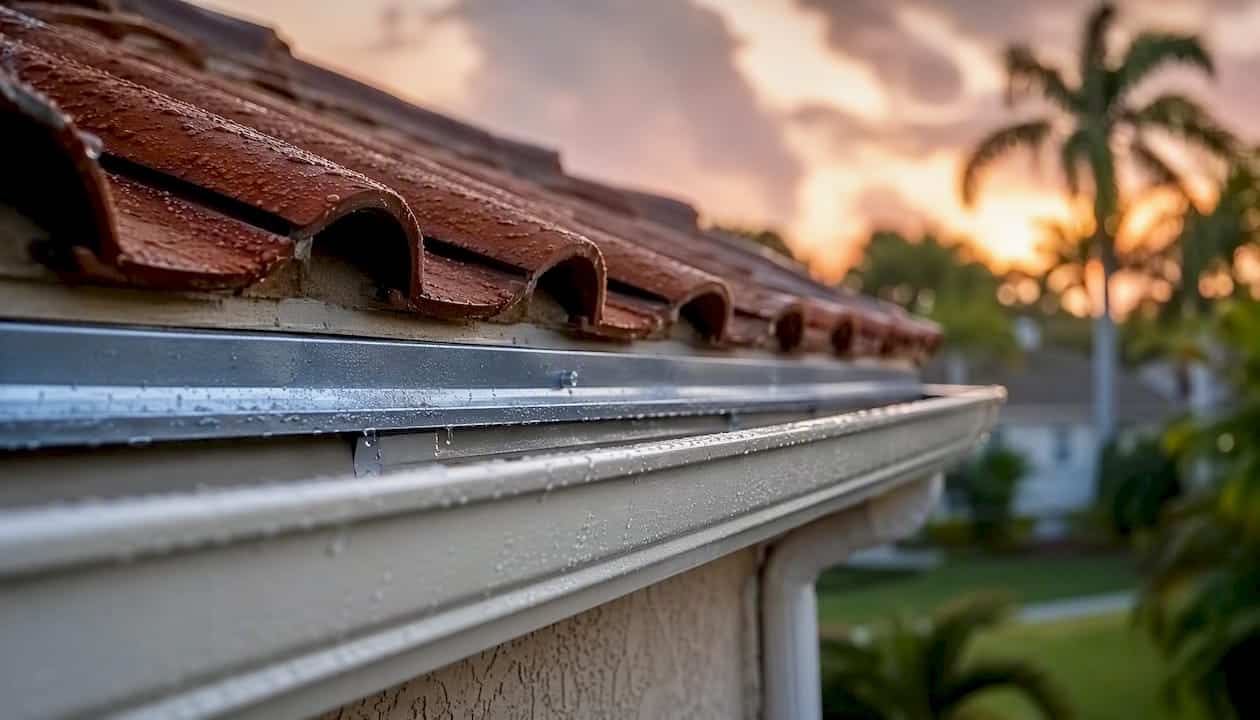
For guarded systems, professional service can still make sense because the task is less about scooping debris and more about evaluating performance. You want someone looking at whether water is entering properly, whether the outlet is restricted, and whether runoff is being directed into an appropriate area.
Gutters have to fit the roof and the property
This is another place where broad promises get people in trouble. A gutter setup that behaves well on one house can disappoint on another because roofs and sites differ.
Take gutters for metal roofs Florida homeowners sometimes ask about. The key issue is not a trendy material matchup. The key issue is whether the overall system captures runoff well and sends it where it should go. That still brings you back to stormwater control, proper discharge, and ongoing maintenance. The same goes for seamless gutters Williston FL searches. A seamless profile may reduce certain trouble spots compared with more segmented systems, but it does not remove the need to inspect drainage and clean or repair when necessary.
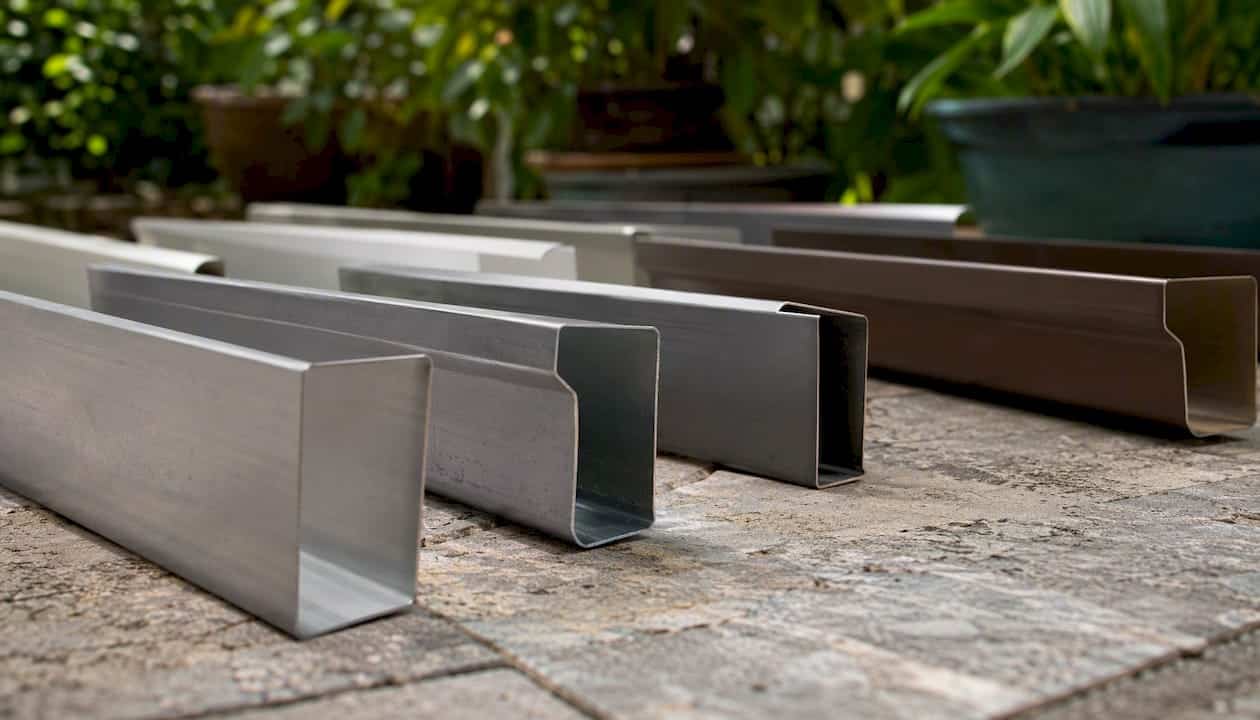
Even color choices can carry practical and neighborhood implications. Homeowners exploring gutter colors for Florida homes often want something that disappears visually or complements trim. That is mostly an appearance discussion, but it can overlap with HOA review. Florida association rules can regulate exterior appearance standards, including colors and styles, while still needing to comply with building code requirements and without blocking code-conforming installations outright. In plain language, if you live in a deed-restricted community, check the rules before ordering a color simply because it looked good on another house.
That may sound separate from the maintenance question, but it is not entirely. Exterior choices tend to be stickier and more expensive to change later, so it pays to think through appearance, drainage, and upkeep at the same time.
When a gutter problem is really a landscape problem
Some of the worst “gutter failures” I see are not caused by the gutter alone. They happen because the water has nowhere good to go once it leaves the downspout.
Florida guidance strongly favors keeping runoff on site and directing it into places that can absorb it. That can mean turf, planted beds, rain gardens, rain barrels, or cisterns, depending on the property. The purpose is straightforward: reduce runoff, limit erosion, and avoid concentrating water where it can cause damage.
A guarded gutter that discharges onto a compacted strip beside the foundation is still a bad setup. So is a pristine-looking system that empties onto a hardscape and then sends water toward a doorway. Homeowners sometimes fixate on what is happening at the roof edge because that is the product they bought. But performance often depends just as much on the receiving area below.
If you have recurring wet spots, pest issues near the base of the home, or soil washing away, it is worth stepping back and looking at the entire path of the water. The gutter may need service, but the landscape plan may need adjustment too.
What to ask before you buy guards
The better question is not “Are gutter guards worth it?” The better question is “What specific maintenance problem am I trying to reduce?”
If the main issue is constant leaf litter in open troughs, guards may help. If the real problem is poor discharge, bad placement, or runoff pooling where it should not, guards may only address part of the story. If your house sits in a location where stormwater rushes quickly and the downspouts already struggle to drain into an appropriate area, then improving the discharge path may matter more than covering the gutter opening.
It also helps to ask how you plan to monitor the system after installation. If the answer is “I probably won’t,” then the marketing has already done too much work. Every gutter system in Florida deserves at least occasional eyes on it, especially after periods of heavy weather.
That is not pessimism. It is simply how exterior systems behave in a wet, storm-prone climate.
The practical answer for Leesburg homeowners
For most homes around Leesburg, gutter guards are best seen as a useful accessory, not a lifetime exemption from maintenance. They may reduce cleaning frequency. They may help control debris. They may make routine upkeep less annoying. Those are real benefits.
But they do not eliminate the need to inspect flow, keep downspouts draining away from the house, protect planting areas from erosion, or make sure runoff is directed into spaces that can absorb it. In Florida, those basics remain nonnegotiable because the weather is too intense and the consequences of bad drainage show up too fast.
So if someone asks whether gutter guards mean you never need maintenance, the short answer is no. The better answer is that they can reduce one category of maintenance while leaving the larger responsibility intact. Your roof still sheds water. Your property still has to handle it. And every system, no matter how polished it looks on install day, eventually proves itself in the rain.
Ends · GUTTERGUIDE277