Seamless Gutters in Ocala FL: How Material and Finish Choices Affect Maintenance
If you own a home in Ocala, you already know the problem is not whether rain is coming. It is how hard, how fast, and whether your gutter system is ready when it does. Central and North Florida homes get hit with long wet stretches, heavy summer storms, humidity that never seems to leave, and tropical weather that can turn a manageable roof runoff issue into a messy cleanup in one afternoon.
That is why seamless gutters Ocala FL homeowners choose should not be picked on looks alone. Material and finish both affect how often you clean, what kind of wear you watch for, how easy repairs are, and whether the whole system keeps up when a roof is shedding water in a hurry. The right choice can trim down routine maintenance. The wrong one can leave you dealing with overflow, staining, and avoidable repair calls.
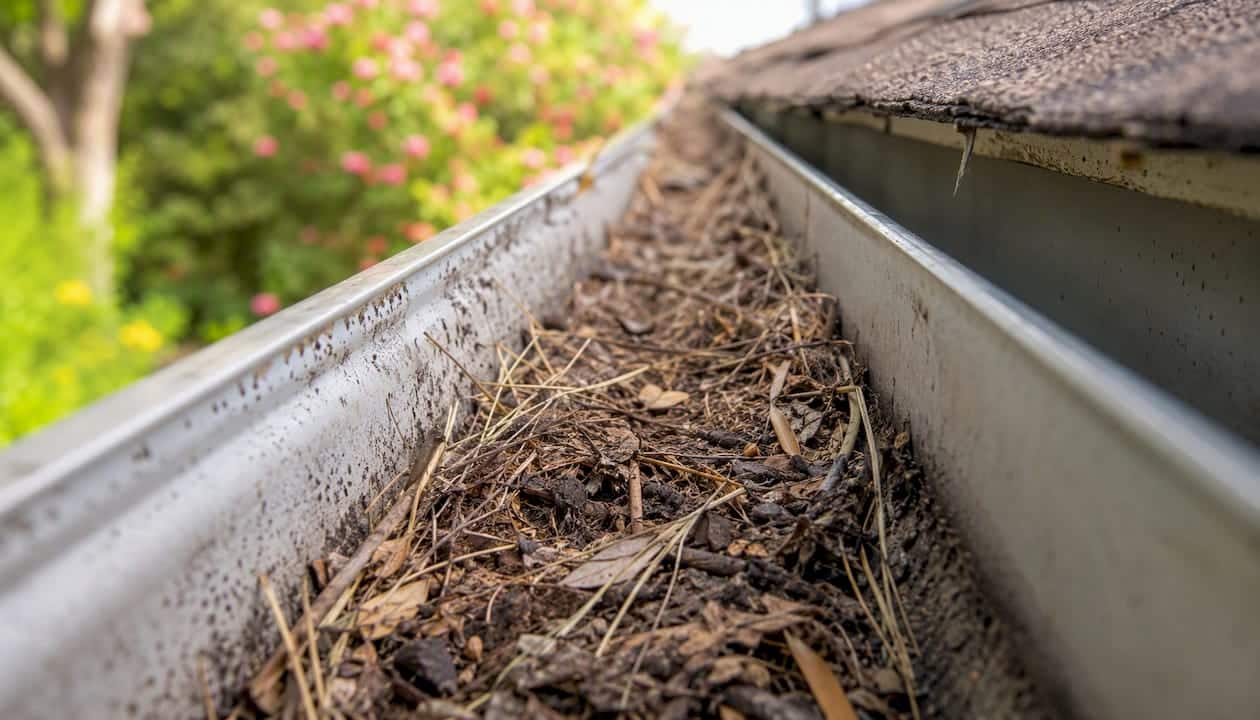
There is also a local reality that shapes every gutter decision in this part of the state. Pine needles, oak leaves, acorns, and yard debris are not occasional nuisances here. They are part of the maintenance picture. Florida guidance on storm prep specifically warns that gutters and storm drains can clog with debris, and anyone who has cleaned a gutter line after a summer storm already knows that is not theory. It is a Saturday on a ladder, pulling out wet leaf sludge while mosquitoes circle your ears.
Why seamless matters in a rainy climate
Seamless gutters are popular for a simple reason. Fewer joints usually mean fewer trouble spots along the run. Every seam in a traditional sectional system is one more place where debris can catch, organic buildup can hold moisture, and cleaning gets a little more tedious. In a place where gutters can stay damp for long periods, that matters.
Maintenance is rarely about one dramatic failure. More often, it is about repetition. A little buildup here, a little standing water there, a fastener working loose, a downspout backing up because roof runoff hit all at once. Over time, those small issues become fascia stains, erosion near the foundation, and calls for gutter repair Wildwood FL homeowners were hoping to avoid.
Seamless construction does not eliminate maintenance, but it can simplify it. If you have fewer joints, you have fewer interruptions in the channel. That can make routine cleaning easier and reduce the number of places where leaves and pine needles snag instead of washing through to the downspouts.
Material choice changes the kind of maintenance you do
When people talk about gutters, they often jump straight to color. I get it. Gutters are visible, and curb appeal matters. But before finish comes material, because material affects how the system holds up in weather, how it pairs with corrosion resistant fasteners, and what maintenance concerns show up first.
Florida code materials are clear on one important point. Gutters and leaders on exterior buildings should be made of metal or approved plastic, and they should be securely fastened with corrosion resistant fasteners. That alone tells you what the maintenance conversation needs to include. In Florida, exposure is not gentle. Moisture hangs around. Fasteners matter. Connections matter. A system is only as durable as the parts that hold it in place.
A lot of homeowners in this region ask about aluminum gutters Central Florida contractors install every day. The reason is practical. Aluminum is common, widely used, and easy to find in seamless systems. From a maintenance standpoint, what matters is less the sales language and more the installation quality, fastening, and how the system is sized and drained. A good material choice still underperforms if water volume overwhelms the gutter or if downspouts are poorly placed.
Approved plastic systems exist too, and they can be part of the conversation, especially where code allows and product suitability lines up with the house. But for many homeowners comparing options, the useful question is not, “What is the miracle material?” It is, “What material makes sense for my roof area, my tree debris, and the maintenance level I am realistically willing to keep up with?”
That is the honest version of the decision.
Finish affects how quickly small problems get noticed
Finish is usually treated as an aesthetic choice, but maintenance tells a different story. A finish changes what you notice and when you notice it.
On some homes, a lighter finish makes pollen streaks, roof runoff marks, and overflow stains easier to spot early. On others, a darker finish may hide minor grime longer but also delay the moment when a homeowner realizes water has been jumping the gutter edge during storms. Neither outcome is automatically better. It depends on your priorities. If you are the kind of homeowner who wants to see every maintenance issue as soon as it starts, a finish that reveals dirt and water trails can actually help. If your main goal is keeping the house looking tidy between cleanings, a more forgiving finish may be a better fit.
This is one of those trade offs that matters more in Florida than people expect. Humidity, organic debris, and repeated wetting can leave visible marks over time. The finish you choose will affect whether those marks nudge you into maintenance early or let the system look fine until the next hard storm exposes a blockage.
I have seen homeowners regret picking purely by swatch card. Not because the color was ugly, but because it did not fit how they live. If no one in the house is likely to inspect gutters often, a finish that helps reveal problems can be a quiet advantage.
Florida debris is the real maintenance driver
In Ocala and nearby areas, maintenance is often less about the gutter body itself and more about what lands in it. Pine needles, oak leaves, acorns, seed pods, and roof grit all collect in the trough and around downspout openings. UF/IFAS guidance specifically notes the need to clear needles, leaves, and other debris from roofs and gutters during storm prep. That advice lines up perfectly with what homeowners see every wet season.
Pine needles are a classic example. They look harmless when dry. Once they mat together with leaves and roof granules, they can form a surprisingly stubborn layer. That is why people ask about gutter guards for pine needles Florida homes deal with year after year. Guards can help in some situations, but they are not a magic shield. The shape of the debris, the roofline, and the surrounding trees all influence whether a guard reduces maintenance or just changes the kind of cleaning required.
Oak debris brings a different issue. Leaves and acorns can collect fast, especially after wind events. Florida guidance also warns that leaf litter and yard debris can move into waterways with runoff, and live oak leaves and acorns are documented contributors to stormwater nutrient pollution. So this is not only a housekeeping matter. Keeping debris out of gutters and drains is part of responsible stormwater management around the home.
That is worth remembering when you clean. The goal is not simply to clear a channel. It is to keep that material from washing into places it should not go.
Gutter size and downspout layout matter as much as material
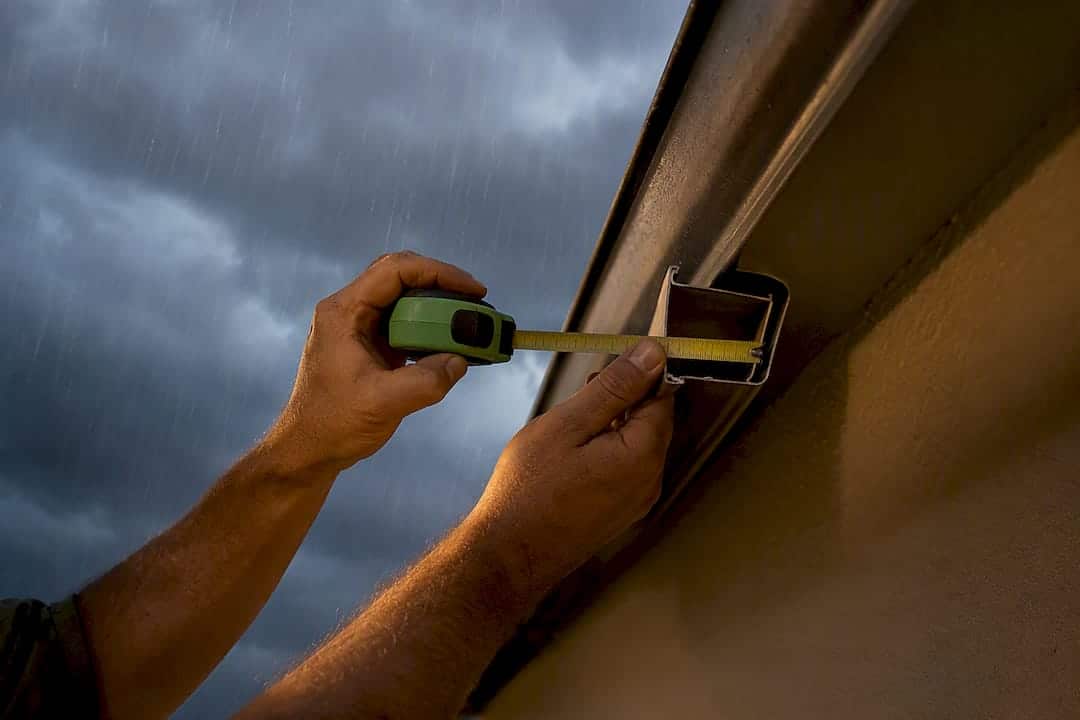
This is where many maintenance problems start, even when the gutter itself is made from a perfectly acceptable material. Florida building requirements say gutters and downspouts must be sized and discharged in accordance with the code. That matters because maintenance increases sharply when the system is too small, poorly sloped, or drained without enough downspout capacity.
Homeowners often search for gutter sizes for Florida homes because they know a standard answer may not work for every roof. That instinct is right. A larger roof section, a steep pitch, or a layout that funnels a lot of water into one area can create runoff volumes that make a marginal system seem constantly “dirty” or “faulty,” when the real issue is sizing.
The same goes for downspouts. I have seen gutters blamed for overflow when the channel itself was reasonably clear, but the downspout drainage Newberry FL property owners would have needed simply was not adequate for the roof section feeding it. Water backs up, debris settles, and then maintenance becomes more frequent because the system is always operating on the edge.
K style profiles are a common point of discussion too. People looking up K-style gutters Lady Lake FL often want to know if the shape affects maintenance. In practice, the profile matters less than the full design. A well installed system with proper discharge usually outperforms a poorly planned one, regardless of what looked best on the sample board.
Storm readiness starts before the forecast does
A gutter system should not be tested for the first time when tropical weather is already approaching. Florida storm prep guidance emphasizes clearing clogged gutters and storm drains because buildup can quickly create overflow and drainage trouble during heavy rain. If you wait until the first named storm is on the map, you are already behind.
Storm ready gutters Florida homeowners can count on are not simply new gutters. They are clean gutters, securely fastened gutters, properly discharged gutters, and gutters paired with a roof edge and drainage path that are not blocked by seasonal debris.
A few habits make the biggest difference:
- Check gutters before the heaviest rainy period, not after.
- Clear roof valleys and downspout openings where debris tends to pack in.
- Watch where water exits, because discharge problems often show up at the ground first.
- Look for staining or overflow marks after a hard rain, they tell you where the system is struggling.
- Keep yard debris and leaf piles out of nearby drains so runoff has somewhere to go.
That kind of routine is not glamorous, but it saves a lot of frustration.
Gutter guards can help, but only when matched to the debris pattern
Homeowners are often surprised when I say that a guard system should be treated like a maintenance strategy, not a maintenance escape hatch. In areas with heavy pine shedding, certain guards may cut down the volume of debris entering the gutter, while in other setups they may still allow fine material to collect or require cleaning on top of the guard surface.
That does not mean gutter guards for pine needles Florida homes use are a bad idea. It means they need to be chosen with local debris in mind. A home under pines has different needs than a home shaded by oaks, and a roof that sheds debris into one concentrated valley behaves differently from a simple gable.
The best guard discussions are honest. Ask what kind of debris the product handles well, what still gets through, and how cleaning changes afterward. If the answer sounds like “never clean again,” I would keep asking questions.
The hidden maintenance issue is often at the discharge point
Most homeowners focus on what they can see along the roof edge, but some of the worst maintenance problems show up where water leaves the system. If downspouts dump too close to the house, if splash areas stay muddy, or if debris exits and settles where it can wash into a drain, you have a maintenance problem even if the gutter line itself looks fine.
This is especially important around stormwater flow. UF/IFAS guidance on maintenance for stormwater infrastructure points to the need for cleaning gutters and downspouts as needed and removing organic buildup, especially in summer. That timing makes sense. Summer brings the combination of heat, organic matter, and repeated wetting that turns small clogs into persistent ones.
So when you inspect your system, do not stop at the gutter trough. Follow the path all the way to discharge. Watch what happens after a hard rain. Does water move away cleanly, or does it carry mulch, leaves, and sediment into places that create more work later?
That is often where a homeowner decides whether they need a tune up, a repair, or a full gutter replacement Gainesville FL contractors would be better suited to handle.
Repair or replacement depends on the pattern, not one bad spot
Not every problem means the whole system is done. A localized issue, such as a loose section, a problem fastener, or a trouble spot near a downspout, may point to a repair. A system that repeatedly overflows in multiple areas, has recurring fastening issues, or no longer fits the home’s drainage needs may push the conversation toward replacement.
This is where experience matters. A good contractor should be able to explain whether your maintenance headaches come from debris load, inadequate sizing, discharge layout, fastening problems, or age related wear. If all you hear is “you need brand new gutters” without much explanation, slow the process down.
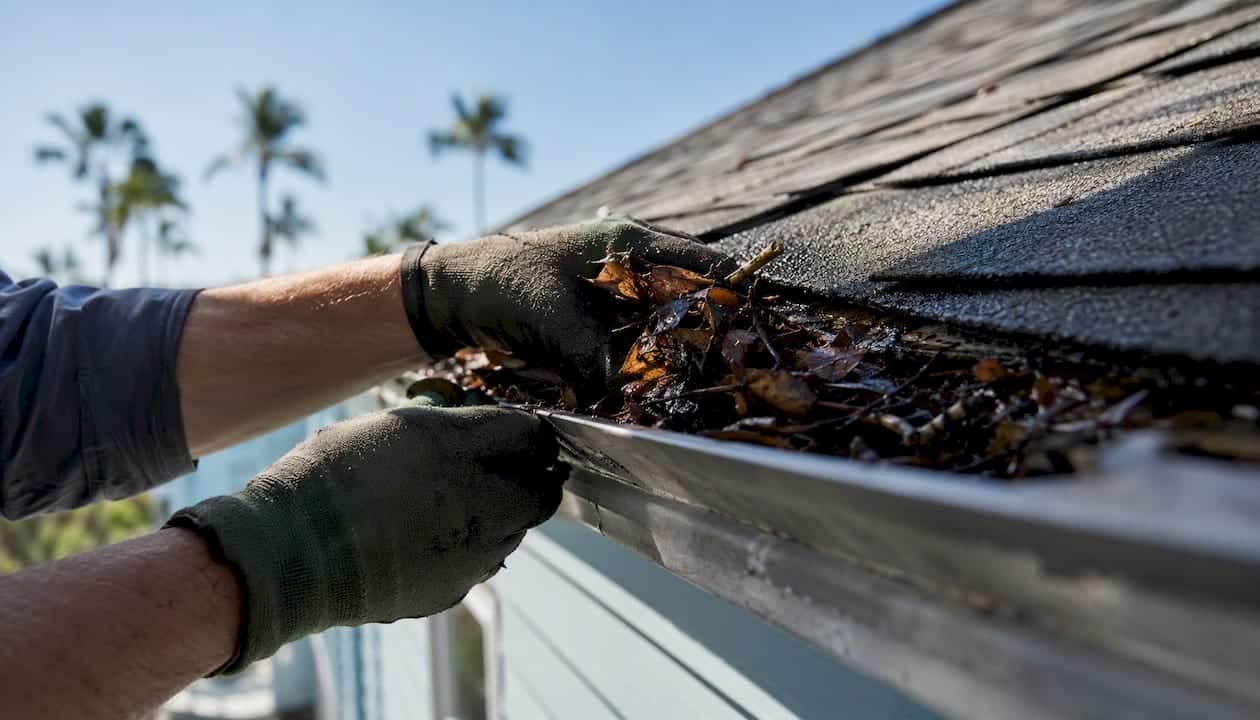
Homeowners looking for gutter repair Wildwood FL or gutter cleaning Fruitland Park FL services often discover that cleaning solved only half the issue. The buildup was real, but the reason it kept happening was design related. Maybe one roof section needed a better downspout location. Maybe a high debris area needed a different maintenance schedule. Maybe the system was never set up with Florida rain intensity in mind.
That is why pattern recognition matters more than panic.
What to ask before hiring a gutter contractor
If you are hiring a gutter contractor Florida homeowners can trust, the conversation should feel practical, not rushed. You want someone who can connect the product choice to the maintenance reality of your property.
Here are a few questions worth asking:
- How should this system be sized for my roof and rainfall exposure?
- Where will the downspouts discharge, and how will that affect drainage at ground level?
- What fasteners and attachment methods will be used, and are they corrosion resistant?
- How will this material and finish choice affect visible upkeep on my home?
- If I add guards, what maintenance will still remain?
Those questions do not require you to be an expert. They simply make sure the contractor has thought beyond installation day.
A practical way to choose material and finish
Most homeowners do best when they narrow the decision to three priorities: how much debris the house gets, how closely they monitor exterior maintenance, and how visible they want dirt and water marks to be. Once those are clear, the material and finish choice usually gets easier.
If your house sits under trees and you already know you will be cleaning regularly, choose with maintenance access and discharge performance in mind first. If your home is more exposed and find out more you care deeply about the exterior appearance between cleanings, finish may deserve a bigger role in the decision. If you are replacing an older system, study where the previous one struggled. Overflow marks, packed downspouts, and areas of repeated staining all tell a story.
That is the lived reality of gutters in this region. The smartest choice is rarely the one with the flashiest brochure. It is the one that fits your roof, your trees, your storm exposure, and your tolerance for upkeep.
The best gutter system is the one you will actually maintain
A seamless gutter system in Ocala does not need to be perfect to perform well. It needs to be sensible, properly sized, securely fastened, and maintained often enough to stay ahead of Florida’s debris and rain. Material matters. Finish matters. But neither can compensate for a design that ignores runoff volume or a maintenance plan that exists only in theory.
For most homes, the winning setup is the one that makes routine care easier and warning signs easier to spot. That might mean a seamless metal system with a finish that reveals overflow early. It might mean pairing a common material choice with a realistic cleaning schedule and carefully planned downspouts. It might mean adding guards in a pine heavy area, while accepting that some maintenance still remains.
If you approach the choice that way, you stop shopping for a forever fix and start choosing a system that works in actual Florida conditions. That is when gutters stop being a recurring annoyance and start doing the quiet job they were meant to do.
Ends · GUTTERGUIDE277